You’d be surprised what a family pet can teach us about small wins at work.
Picture a dog tied up outside the fish and chip shop, nose to the footpath, hunting for a stray crumb. That’s Benny. He’s on a strict vet diet, and the cooking smells were more than he could handle. (His owners now know better than to take him on the dinner run.)
Benny belongs to friends of ours and sometimes stays with us when they’re away. I reckon he dreads it. Here, he gets dragged out on 7.5km walks at dawn, fed basic rations and told “Benny no!” a lot. When he’s with other relatives, apparently it’s scrambled eggs for brekky and vanilla slice for dessert. Not hard to guess where he’d rather stay.
Why change is easier when you choose it
The difference between Benny’s diet and my own fitness campaign is choice. A short stint in hospital a few years back convinced me to make some changes. I improved my diet and started exercising regularly. (Revolutionary, I know.)
Nobody consulted Benny. I set my own targets, I notice my own progress and I get to feel good about it. That’s a big part of why it sticks.
I think a lot of teams are closer to Benny than we like to admit. A change gets announced, the targets arrive from somewhere else, and there’s trouble when the scales point the wrong way. Then we wonder why people sneak off to lick the footpath. 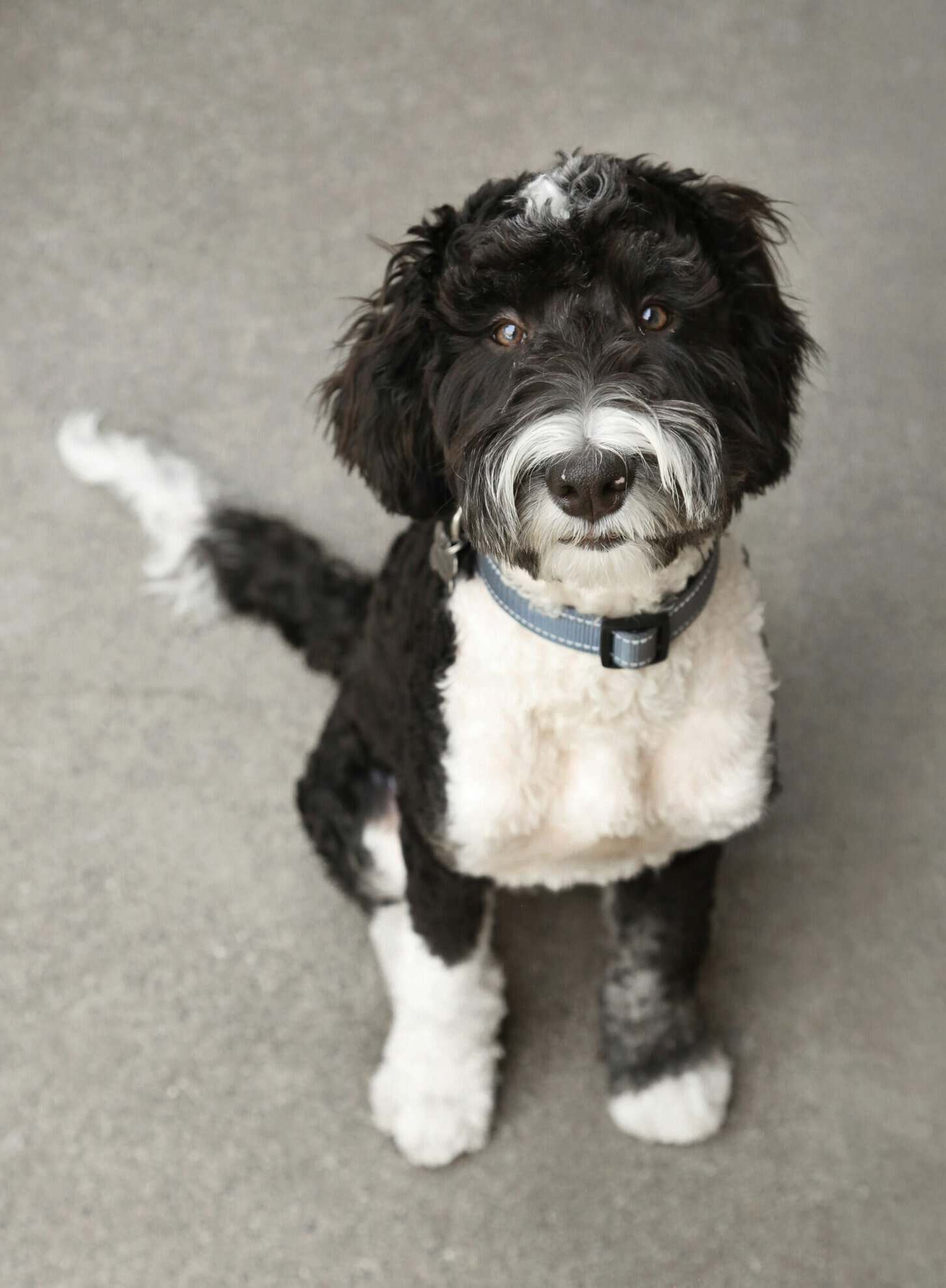
Three steps for making small wins at work
If you want a change to stick, with your team or at home, these are the steps I’d start with.
1. Be clear on what you want to change
“Be more collaborative” is a wish. “Hold a 15-minute check-in every Monday” is a change. If you can’t say what it looks like on a Tuesday afternoon, it’s too fuzzy to act on.
2. Start with small steps
Small steps give you something to finish. Finishing something feels good, and feeling good is what gets you out the door again tomorrow.
3. Measure progress regularly
Check in daily or weekly, depending on the change. Then, and I mean this, bask in the glory of a win. Hit a target and notice it. Say so out loud with your team.
You get other benefits too. You see and feel the reward from your effort, and you’re probably a better person to be around for having made it.
Don’t go too hard
Pace yourself. I’d hate for you to end up judged for licking the footpath outside your local fish and chip shop.
If you’d like help getting a change moving with your team, contact me and we’ll book a call.
FAQ on small wins at work
How small is a small step?
Small enough that you can finish it this week without needing permission. A 15-minute weekly check-in qualifies. A full restructure doesn’t.
How often should a team measure progress?
Often enough that a stall shows up quickly. For most workplace changes, that means weekly. Daily is better for personal habits.
What if the team didn’t choose the change?
Give them as much say as you can in how it happens, even when the what is fixed. People will put up with a lot more when they pick the first step and the way they track it.

Reader Interactions